

When you’re getting ready to sell your house, there’s a lot to think about beyond packing boxes and planning your move. One question that can easily get overlooked is what you’re supposed to leave behind for the buyer. Should the appliances stay? What about window treatments, light fixtures, or furniture you no longer want? And do you have to remove everything from the garage, basement, and yard before closing?
The answer depends largely on what’s included in your purchase agreement. Some items are generally considered part of the property, while others are personal belongings that you’ll need to take with you unless you’ve made a different arrangement with the buyer. Whether you’re selling in Cedar Springs, Greenville, Rockford, or Sparta, understanding these expectations ahead of time can help prevent confusion and make moving day a little easier.
Quick Navigation:
- What Items Are Typically Included in a Home Sale?
- Appliances, Fixtures, and Other Items Buyers May Expect
- What Should You Remove Before Closing?
- Can You Leave Unwanted Furniture or Belongings Behind?
- Why It’s Important to Clarify What’s Staying and What’s Going
What Items Are Typically Included in a Home Sale?

When a home is sold, certain items that are attached to the property are typically included in the transaction. These are commonly called fixtures. Because they’re considered part of the home rather than personal belongings, buyers may expect them to remain when they take possession. Examples can include built-in shelving, attached lighting, ceiling fans, plumbing fixtures, and other permanently installed features.
However, not every item is automatically included just because it’s in the house. Freestanding furniture, decorations, and other personal belongings are generally treated differently from attached fixtures. The purchase agreement should identify what’s included and list any items the seller plans to keep or remove. If you have something you don’t want to leave behind, it’s best to address it before accepting an offer rather than assuming you can take it with you later.
Appliances, Fixtures, and Other Items Buyers May Expect
Appliances are one of the most common sources of confusion when selling a home. Buyers may assume the refrigerator, stove, dishwasher, washer, and dryer are included, especially if they were present when the property was shown. However, appliances aren’t automatically included in every sale. The agreement should specify which ones are staying, particularly if the seller plans to take certain appliances to their next home.
Other items can be less obvious. Window blinds, curtain rods, attached mirrors, television mounting brackets, garage door openers, and built-in equipment may be treated as fixtures depending on how they’re installed and what the purchase agreement says. Outdoor features such as sheds, playsets, landscaping, and certain permanently installed equipment can also raise questions. If you’re unsure whether something should stay, don’t rely on assumptions. Make sure the item is clearly addressed in the agreement so both parties have the same expectations.
What Should You Remove Before Closing?

Unless you’ve agreed otherwise with the buyer, you should plan to remove your personal belongings before handing over the property. This includes furniture, clothing, decorations, kitchen items, garage storage, and anything else that isn’t part of the sale. Don’t forget to check less obvious areas, such as attics, basements, closets, sheds, and outdoor storage spaces. It’s easy to overlook items that have been sitting in those areas for years.
You’ll also want to remove trash, unwanted materials, and anything else that isn’t supposed to remain. Many purchase agreements include expectations about the condition of the property at possession, which may require the seller to remove debris and leave the home reasonably clean. The exact requirements can vary, so review your agreement before moving out. If you’re selling a home in Rockford, Greenville, Cedar Springs, or Sparta, planning ahead can help you avoid a last-minute scramble to clear everything out before closing.
Can You Leave Unwanted Furniture or Belongings Behind?
If you’re downsizing, relocating, or simply don’t want to move certain items, it may be tempting to leave them for the buyer. This can sometimes be arranged, but it’s important to get the buyer’s agreement first. A buyer might be happy to keep a patio set, extra refrigerator, workbench, or other useful items. Another buyer may prefer an empty property so they can bring in their own belongings or begin renovations.
The important thing is not to assume the buyer wants anything you’re leaving behind. Even furniture or items that seem useful to you could become an unwanted responsibility for someone else. If you’d like to leave something at the property, discuss it with the buyer and make sure the arrangement is documented in writing. This is especially important when selling a home that contains a large amount of furniture, stored belongings, or items that would be difficult to remove at the last minute.
Why It’s Important to Clarify What’s Staying and What’s Going
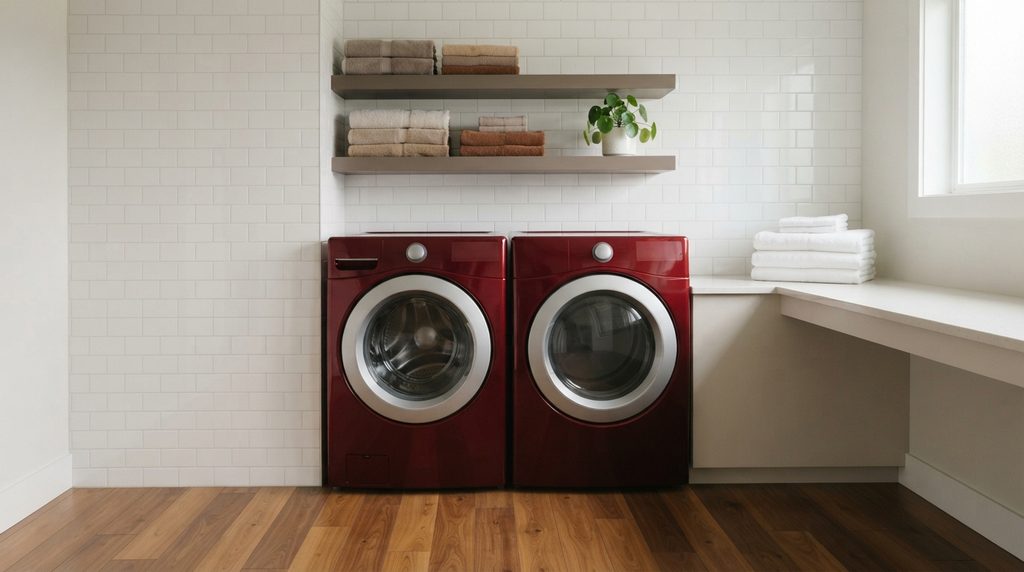
Being clear about what’s included in the sale can help prevent disagreements between buyers and sellers. If a buyer expects an appliance or fixture to remain and discovers it’s missing during the final walkthrough, it could create an unnecessary issue just before closing. The same is true if a seller assumes the buyer will take unwanted furniture or belongings that were never discussed. These situations can lead to delays, additional expenses, or disagreements that could have been avoided with a little planning.
Before moving out, review your purchase agreement and make a list of anything that needs to stay or be removed. If plans change or either party wants to make a different arrangement, get the updated terms in writing. It’s also a good idea to walk through the property before closing to make sure everything is in the agreed-upon condition.
If you’re considering selling your home in Cedar Springs, Greenville, Rockford, Sparta, or elsewhere in West Michigan, it’s worth knowing that a traditional listing isn’t your only option. Lakeshore Home Buyer works with homeowners interested in a direct cash sale, including those who may prefer not to take on repairs, updates, or the preparation involved in a traditional listing. Depending on the property and the agreement, there may also be room to discuss what belongings will be removed and what, if anything, can remain. Those expectations should always be clearly agreed upon before closing.
Every home sale is different, and understanding the terms ahead of time can make the process much smoother. If you’d like to explore whether selling directly to Lakeshore Home Buyer could be a good fit, you can learn more about how the process works and get a better idea of what to expect.
Related: What to Expect During a Home Walkthrough
Get Your Free Offer TODAY!
Fill In This Form To Get Your No-Obligation All Cash Offer Started!
