
When preparing to sell a home, one of the biggest questions homeowners face is whether to make improvements before putting the property on the market. While certain updates can make a home more appealing to buyers, larger renovations can require a significant investment of time and money.
For homeowners in Rockford, Cedar Springs, Greenville, and throughout West Michigan, deciding whether to renovate or sell the home as it is often comes down to the property’s condition, the cost of the work, and what makes the most sense financially. Before starting a major project, here are a few things worth considering.
Quick Navigation:
- Start With the Condition of Your Home
- Consider the Cost of Renovations
- Will the Improvements Actually Increase Your Home’s Value?
- When Smaller Updates May Be Enough
- When It May Make More Sense to Sell Without Renovating
- Compare Your Options Before Making a Decision
Start With the Condition of Your Home
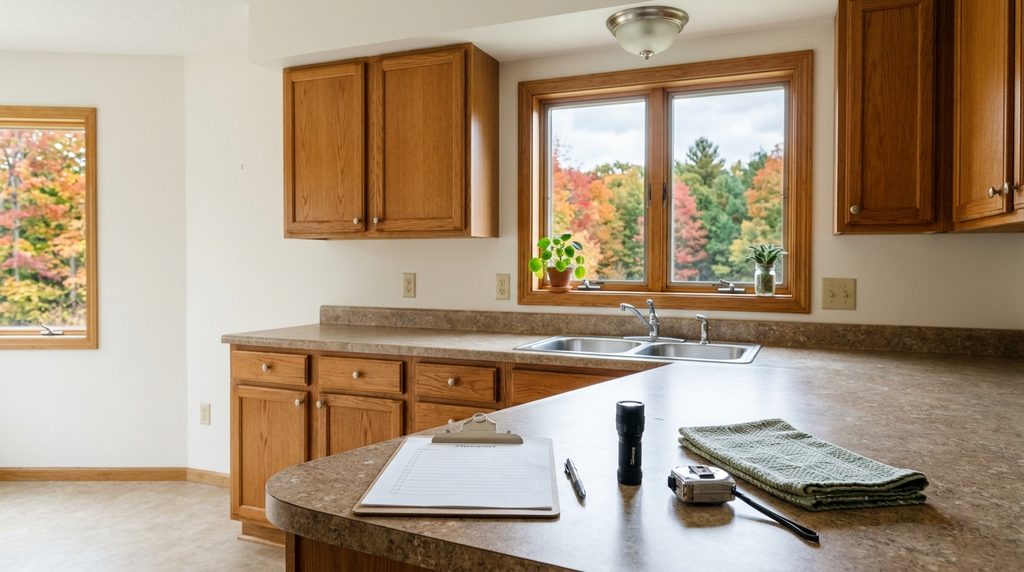
Before deciding whether to renovate, take an honest look at your home’s current condition. Not every outdated feature needs to be replaced, and some issues may be more important to address than others.
Cosmetic concerns, such as worn flooring, dated paint colors, or older light fixtures, may affect how buyers perceive a home, but they don’t necessarily require a major renovation. On the other hand, issues involving the roof, plumbing, electrical systems, or structural components may need more attention.
It can help to separate potential improvements into two categories: smaller cosmetic updates and larger repairs or renovations. This gives you a better starting point for deciding what is worth addressing and what you may be comfortable leaving for the next owner.
Consider the Cost of Renovations
Once you have an idea of what your home needs, the next step is understanding how much the work could cost. Even projects that seem straightforward can become more expensive once materials, labor, and unexpected issues are factored in.
Before committing to a renovation, consider getting estimates from qualified contractors and comparing those costs with your overall selling goals. It’s also worth thinking about how long the work might take and whether you’ll need to continue paying for the property while improvements are being completed.
For example, a homeowner in Cedar Springs considering a kitchen renovation may need to weigh the cost of the project against the possibility of receiving a higher sale price. If the improvement requires a substantial investment, it may not always make financial sense to complete it before selling.
Will the Improvements Actually Increase Your Home’s Value?
One of the biggest misconceptions about preparing a home for sale is that every renovation will increase its value by the same amount spent on the project. Unfortunately, that isn’t always the case.
The value of an improvement depends on several factors, including the local market, the condition of the home, buyer expectations, and the quality of the work. A renovation that makes a property more appealing doesn’t necessarily mean you’ll recover the full cost when you sell.
It’s also important to consider the types of homes buyers are looking for in your area. In some markets, buyers may be willing to take on cosmetic updates themselves, while in others, move-in-ready properties may attract more interest.
Looking at comparable homes in your area, including recently sold properties in Rockford or nearby communities, can help you understand what buyers may expect. A real estate professional can also help you evaluate which improvements are likely to matter most.
When Smaller Updates May Be Enough
Sometimes, preparing a home for sale doesn’t require a complete renovation. A few smaller improvements may be enough to make the property feel cleaner, more maintained, and ready for potential buyers.
Depending on the home’s condition, you might consider:
- Applying a fresh coat of paint to worn or heavily marked walls
- Replacing outdated or damaged light fixtures
- Fixing minor plumbing issues or leaky faucets
- Addressing small repairs that could raise concerns during showings
- Cleaning thoroughly and removing excess clutter
- Improving the appearance of the yard and entryway
These types of updates are often more manageable than larger projects, especially if you’re working with a limited budget or hoping to sell within a shorter timeframe.
For homeowners in Greenville or other West Michigan communities, focusing on basic maintenance and presentation may be a practical way to prepare a property without taking on more work than necessary.
When It May Make More Sense to Sell Without Renovating
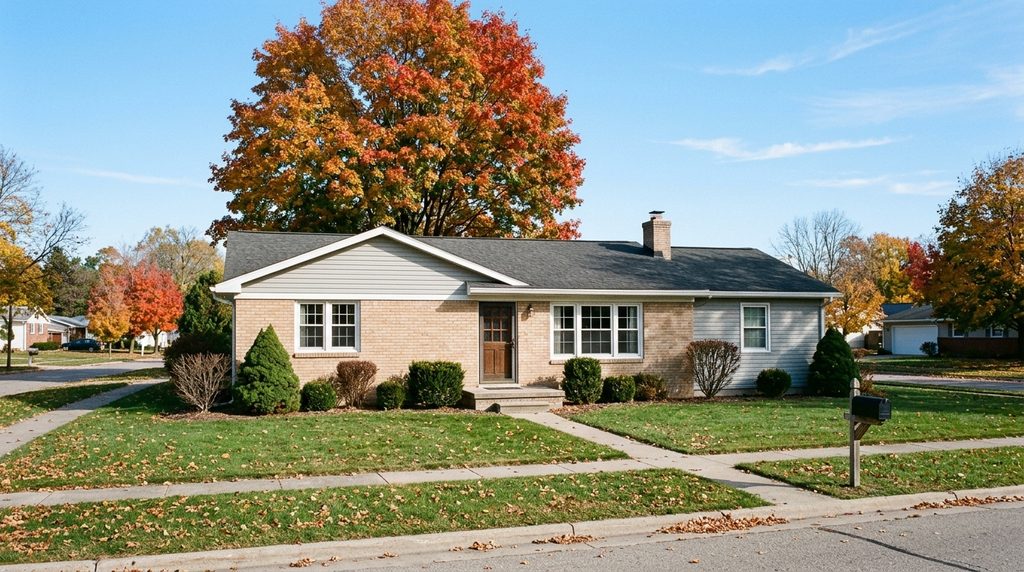
There are situations where investing in major improvements simply doesn’t fit a homeowner’s budget, timeline, or plans. If a property needs extensive repairs or significant updating, the cost and effort involved may outweigh the potential benefits.
Selling without completing renovations may be worth considering if you’re dealing with an older property, preparing for a move, managing an inherited home, or simply don’t want to take on another major project.
Some homeowners also prefer to avoid coordinating contractors, purchasing materials, and dealing with unexpected delays. Depending on the property and local market, there may be buyers interested in purchasing a home in its current condition.
Selling as-is doesn’t mean every buyer will overlook the property’s condition or that repairs won’t affect the offer. It simply means you’re choosing not to complete those improvements before selling. Understanding what buyers may be willing to take on can help you decide whether this approach makes sense.
Compare Your Options Before Making a Decision
Ultimately, deciding whether to renovate before selling comes down to comparing the potential benefits with the costs and effort involved. A project that makes sense for one homeowner may not be the right choice for someone else.
Before moving forward, consider the estimated cost of improvements, how much they might affect your home’s appeal or value, how long the work could take, and what expenses you’ll continue to have while preparing the property.
You may also want to compare what you could reasonably expect from a traditional listing versus a direct cash sale. A traditional listing may offer exposure to a wider range of buyers, while a direct cash sale may provide an opportunity to sell without completing certain repairs or updates. The terms, timelines, and offers will vary depending on the property and buyer.
If you’re unsure whether putting more money into your home is the right move, it may be worth exploring what a sale could look like without making those improvements first. Lakeshore Home Buyer offers homeowners another option to consider, and learning how the process works can help you decide if it’s a good fit for your situation.
You don’t necessarily have to renovate every part of your home to sell it. Taking time to compare the costs, potential return, and effort involved can help you choose an approach that makes sense for your property and your next steps.
Related: How to Sell a House That Needs Major Repairs
Get Your Free Offer TODAY!
Fill In This Form To Get Your No-Obligation All Cash Offer Started!
