
Getting an offer on your house can feel like the finish line, but accepting an offer doesn’t necessarily mean the sale is guaranteed. There are still several steps between going under contract and actually closing, and problems during that time can cause a deal to fall apart.
Financing issues, inspection surprises, low appraisals, and title problems are some of the common reasons a home sale doesn’t make it to closing. Understanding where problems can arise can help sellers prepare ahead of time and reduce some of the uncertainty that comes with a traditional home sale.
Quick navigation:
- Financing Problems
- Inspection Surprises
- Appraisal Issues
- Title and Closing Problems
- How Different Selling Methods Compare
Financing Problems
One of the biggest potential obstacles is the buyer’s financing. A buyer may be pre-approved for a mortgage but still need to complete the lender’s final underwriting process before the loan is fully approved.
Changes in the buyer’s employment, income, credit, or debt can create problems during that process. If the buyer can no longer qualify for the loan, the sale may have to be renegotiated or canceled.
Sellers can reduce some of this risk by paying attention to the strength of the buyer’s financing and understanding what contingencies are included in the offer. However, even a well-qualified buyer’s financing isn’t completely within the seller’s control.
Inspection Surprises
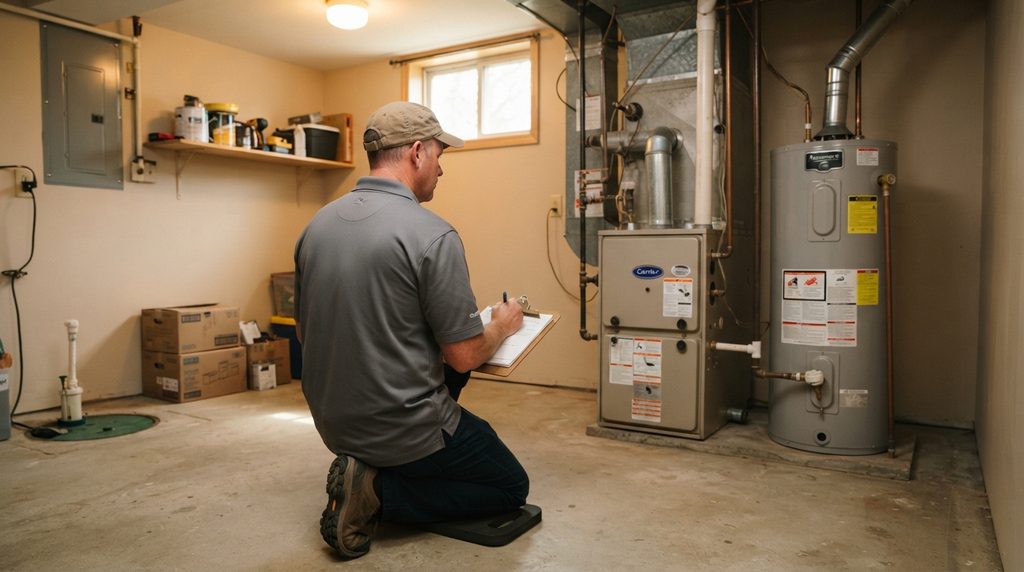
A home inspection can uncover problems that weren’t obvious when the buyer made the offer. Roof damage, electrical issues, plumbing problems, structural concerns, or aging mechanical systems can all lead to additional negotiations.
Depending on the purchase agreement, a buyer may ask the seller to make repairs, offer a credit, renegotiate the price, or potentially cancel the transaction.
This can be especially frustrating when you’ve already made plans around the sale. A homeowner in Grand Haven may be preparing for a move while a buyer’s inspection reveals an unexpected issue, just as a seller in Muskegon or Holland could find themselves renegotiating shortly after accepting an offer.
One way to reduce surprises is to understand the home’s condition before listing. A seller who knows about significant problems ahead of time has more opportunity to decide how they want to address them.
Appraisal Issues
When a buyer is using a mortgage, the lender typically requires an appraisal to help determine the property’s value. If the appraisal comes in below the agreed-upon purchase price, the buyer and seller may have to figure out how to handle the difference.
Depending on the terms of the contract, the buyer may bring additional cash, the seller may agree to adjust the price, or the parties may negotiate another solution. If they can’t reach an agreement, the transaction may fall apart.
Pricing the home realistically and looking at recent comparable sales can help set reasonable expectations from the beginning. Still, an appraisal is ultimately another step in the process that a seller cannot completely control.
Title and Closing Problems
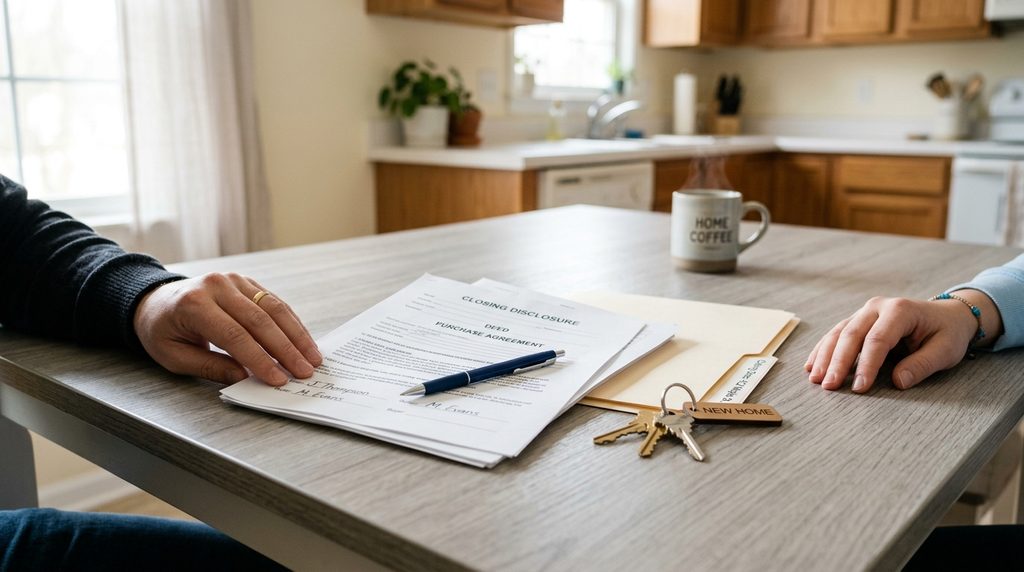
Sometimes a sale gets all the way to the final stages only to run into a title or paperwork problem. Unresolved liens, ownership questions, unpaid debts, or other issues connected to the property’s title can delay closing until they’re resolved.
Other delays can come from missing documents, problems coordinating the closing, or either party being unable to meet an agreed-upon deadline.
Taking care of known title issues and providing requested paperwork promptly can help keep the transaction moving. If you’re selling a longtime property in the Grand Haven, Muskegon, or Holland area, it’s worth addressing anything that could complicate the transfer before you get too far into the process.
How Different Selling Methods Compare
A traditional sale usually involves a buyer obtaining financing, an inspection, an appraisal when applicable, and several other steps before closing. Those steps provide protections for the parties involved, but they also create opportunities for complications.
A direct sale to a cash buyer works differently. When the buyer isn’t relying on mortgage financing, there is no lender underwriting process or mortgage appraisal contingency. Depending on the buyer and the terms of the agreement, the transaction may also involve a different approach to inspections and repairs.
That doesn’t mean a direct sale is guaranteed to close or that every traditional sale will encounter problems. Every transaction still has its own terms and circumstances. The difference is that removing certain financing-related steps can eliminate some of the reasons a financed transaction may fall through.
If you’re considering a direct sale, learning how the process works can help you understand how it compares with a traditional listing before making a decision. Lakeshore Home Buyer works with homeowners throughout West Michigan, including Grand Haven, Muskegon, and Holland, as well as other Michigan communities.
Whether you choose a traditional listing or a direct sale, understanding the potential obstacles ahead of time can help you plan accordingly. The goal isn’t to eliminate every possible complication, it’s to choose a selling approach that fits your property, timeline, and comfort level.
Related: What If Your House Doesn’t Sell? Next Steps for West Michigan Homeowners
Get Your Free Offer TODAY!
Fill In This Form To Get Your No-Obligation All Cash Offer Started!
