
Discovering that your home has a code violation or unpermitted work can feel overwhelming, especially if you’re already thinking about selling. You may be wondering whether you have to fix everything first, whether buyers will still be interested, or if the property can even be sold at all.
The good news is that these situations are more common than many homeowners realize. While code violations or unpermitted work can complicate the selling process, they don’t automatically prevent you from selling your home. Understanding how these issues may affect a traditional listing, and what alternatives are available, can help you move forward with confidence.
If you’re looking for a specific answer, use the quick links below to jump to the section that matters most to you.
- Common Issues Homeowners Worry About
- Do You Have to Disclose Code Violations or Unpermitted Work?
- How These Problems Affect a Traditional Sale
- Can You Sell Without Fixing Everything?
- Understanding Your Options
Common Issues Homeowners Worry About
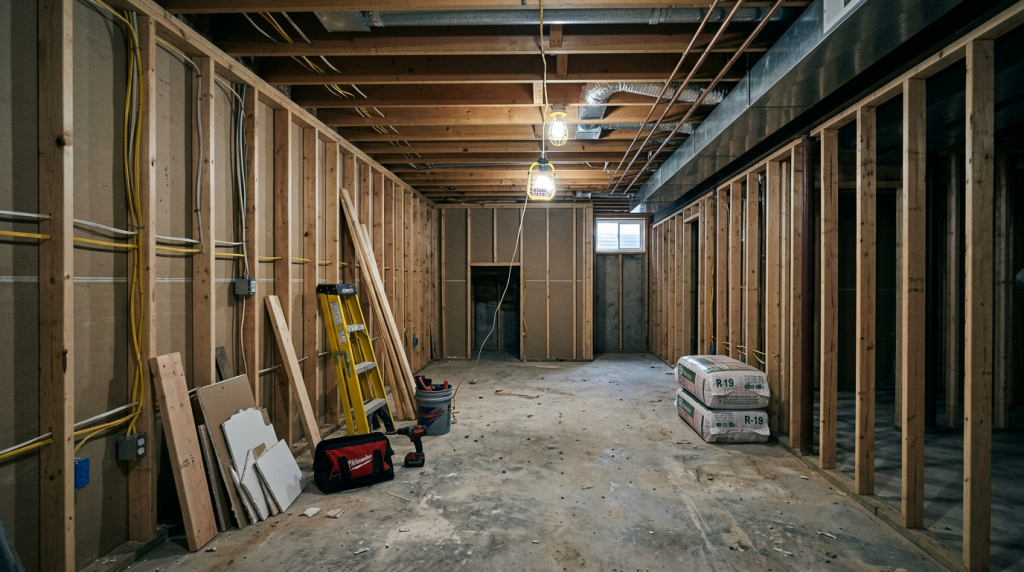
Code violations and unpermitted work can take many forms. Sometimes they’re the result of a previous owner’s renovation, while other times they stem from well-intentioned DIY projects that were never officially approved.
Common concerns include unfinished basements, garage or room additions completed without permits, electrical or plumbing work that wasn’t inspected, decks built outside current code requirements, or notices from a local building department. Homeowners in communities like Holland, Grand Haven, and Muskegon are often surprised to learn these situations are more common than they expected.
Finding out your home has one of these issues doesn’t necessarily mean you’ve run into a dead end. It simply means you’ll want to understand how it could affect your selling options.
Do You Have to Disclose Code Violations or Unpermitted Work?

Honesty and transparency are important in any real estate transaction. If you’re aware of code violations or unpermitted work, disclosing that information to potential buyers is often an important part of the selling process.
Disclosure requirements can vary depending on the situation, the type of issue involved, and applicable state laws. Rather than assuming what is or isn’t required, it’s a good idea to understand your obligations before putting your home on the market.
Being upfront about known issues can help reduce surprises later, allowing buyers to make informed decisions and helping transactions move more smoothly.
How These Problems Affect a Traditional Sale
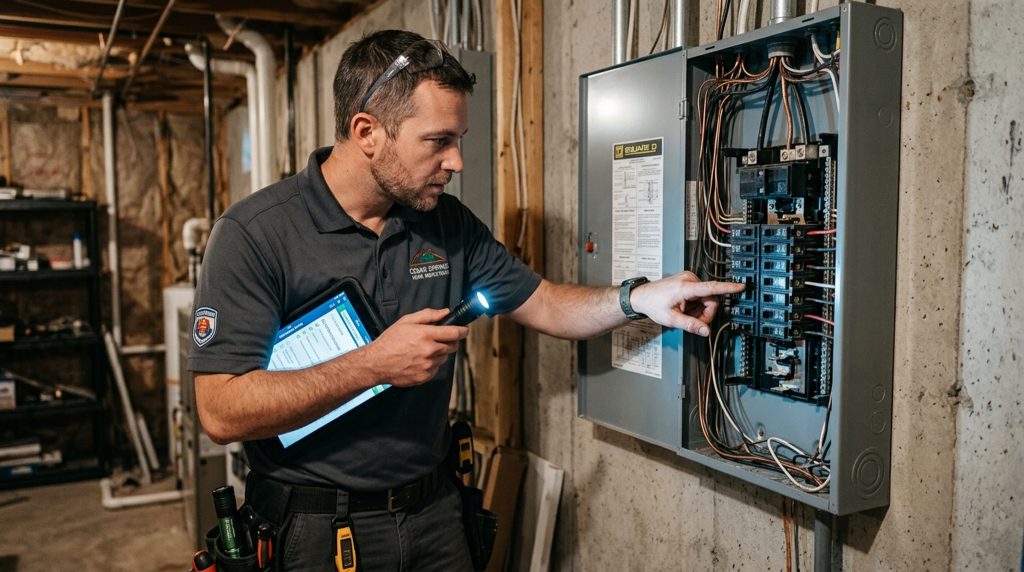
Many homes with code violations or unpermitted work are successfully sold through traditional listings. However, these issues can sometimes narrow the pool of interested buyers or lead to additional questions during inspections.
Depending on the property, buyers may request repairs, ask for credits at closing, or negotiate a lower purchase price to account for the work that still needs to be completed. In some cases, lenders may also have additional requirements before approving financing, particularly if safety concerns are involved.
None of this means a traditional sale isn’t possible, it simply means the process may involve a few more steps and a bit more negotiation.
Can You Sell Without Fixing Everything?
The answer is often yes.
Many homeowners choose to sell their property as-is, allowing the next owner to decide how they want to address repairs, updates, or permitting issues. While selling as-is may affect the purchase price, it can also eliminate the time, expense, and uncertainty of completing major work before listing.
For homeowners facing financial pressure, relocating, managing an inherited property, or simply wanting to move forward, selling as-is may provide a simpler path. Every situation is different, and the right choice depends on your priorities, timeline, and the condition of the home.
Understanding Your Options

There isn’t a one-size-fits-all answer when selling a home with code violations or unpermitted work.
If your property is otherwise in excellent condition and you have the time and resources to address outstanding issues, listing with a real estate agent may ultimately result in the highest sale price. In other situations, selling directly to a local home buyer may provide greater flexibility and a more straightforward experience.
At Lakeshore Home Buyer, every conversation starts with understanding your goals, not pushing you toward one particular solution. Sometimes a direct sale is the right fit, and sometimes a traditional listing makes more sense. The goal is simply to help homeowners throughout West Michigan, and when appropriate, the Metro Detroit area, understand their options so they can make a confident, informed decision.
If you’re curious how the process works or want to compare your options, learning more before making a decision can help you choose the path that’s right for your situation.
See also: West Michigan Homes That Need Work: Your Options Explained
Get Your Free Offer TODAY!
Fill In This Form To Get Your No-Obligation All Cash Offer Started!
