

When you’re selling a house, the sale price is only part of the financial picture. Closing costs and other expenses can reduce the amount you ultimately walk away with, and some of those costs aren’t always obvious when you first decide to sell.
Understanding these expenses before choosing a selling strategy can help you compare your options more accurately. Whether you’re selling a home in Allegan, Kalamazoo, Plainwell, or elsewhere in West Michigan, knowing what to expect can make the process feel much more manageable.
Quick Navigation:
- Common Seller Closing Costs
- Costs Many Homeowners Don’t Expect
- Who Pays the Closing Costs
- How Closing Costs Differ With a Direct Sale
- Comparing Your Net Proceeds
- Moving Forward With a Clearer Picture
Common Seller Closing Costs
Closing costs can vary depending on the property, location, transaction, and terms of the sale. For a traditional home sale, sellers may encounter expenses related to the title company, transfer taxes, recording fees, prorated property taxes, and other closing services. Real estate agent commissions may also represent a significant expense when a home is sold through a traditional listing.
Not every seller will pay the exact same costs, and some expenses can be negotiated between the buyer and seller. That’s why it’s important to ask for a clear breakdown of expected costs rather than assuming every transaction will look the same.
Understanding these expenses upfront gives you a better idea of what your actual proceeds could be after the sale.
Costs Many Homeowners Don’t Expect
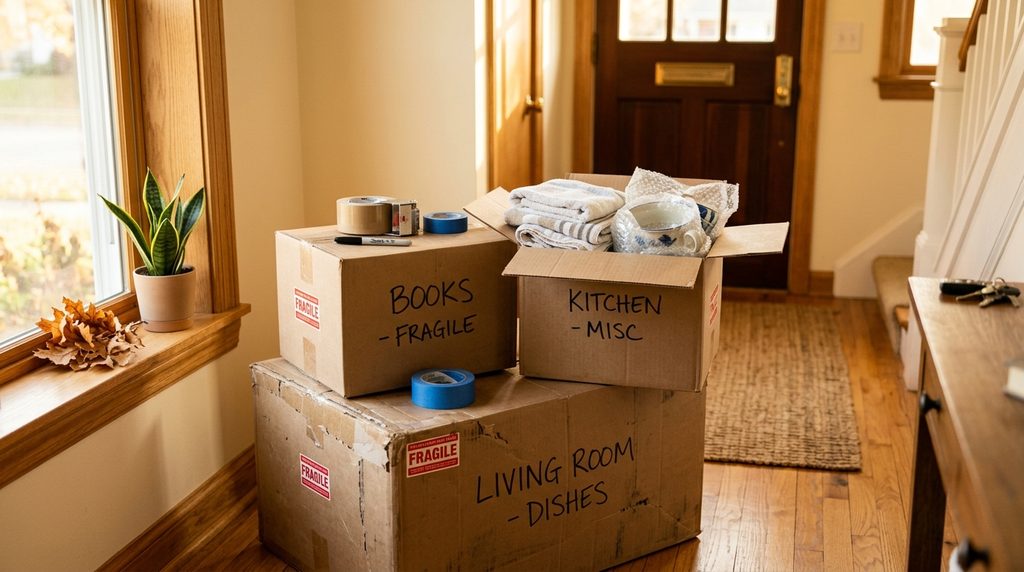
Some of the biggest expenses associated with selling a home don’t necessarily appear on a standard list of closing costs. Repairs, cleaning, landscaping, staging, moving expenses, and ongoing utility or property costs can all add up while a home is being prepared and marketed for sale.
Negotiations can create additional costs, too. A buyer may request repairs, closing cost assistance, inspection credits, or other concessions after making an offer. Even when a home sells for the original asking price, these expenses can reduce the amount the seller ultimately receives.
For homeowners in Kalamazoo or surrounding communities, these costs can be especially important to consider when comparing a traditional listing with other selling options. The headline sale price doesn’t always tell the whole story.
Who Pays the Closing Costs?
It’s easy to assume that closing costs are simply divided according to a standard formula, but the reality can be more flexible. Some expenses are commonly associated with the seller, while others may be paid by the buyer or negotiated as part of the purchase agreement.
The exact arrangement can depend on local customs, the type of transaction, the terms of the contract, and negotiations between the parties. Your title company, closing professional, or real estate agent can explain which costs are expected in your specific transaction.
Before accepting an offer, it’s worth looking beyond the purchase price and asking what you’ll actually be responsible for paying. A clear understanding of the numbers can prevent surprises later.
How Closing Costs Differ With a Direct Sale
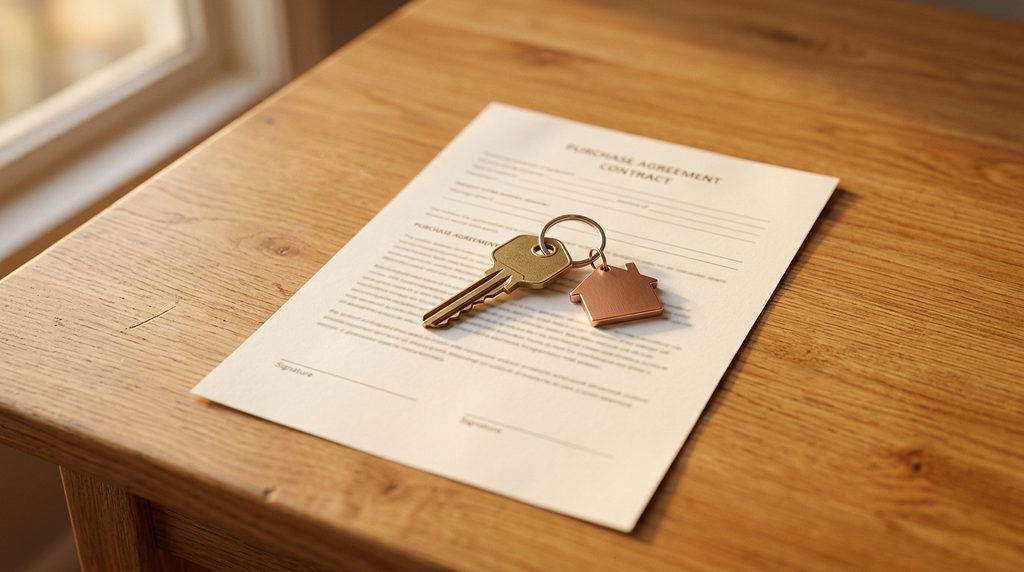
A direct sale can have a different cost structure than a traditional listing. When selling directly to a home buyer, homeowners may not have the same combination of expenses associated with marketing a property on the open market, such as preparing the home for showings or paying a traditional real estate commission.
That doesn’t mean every direct sale has identical costs. The terms of each transaction are different, so homeowners should still ask exactly what is included, what expenses they may be responsible for, and whether there are any additional charges.
If you’re considering a direct sale and want to understand what happens from the initial conversation through closing, our How It Works page provides a helpful overview of the process and what homeowners can expect.
Comparing Your Net Proceeds
One of the most important numbers to consider when selling a house isn’t the sale price, it’s the amount you actually keep after the transaction is complete.
For example, a higher offer on the open market may come with agent commissions, repairs, buyer concessions, closing costs, and several months of mortgage, tax, insurance, and utility payments while the property remains listed. A lower direct offer may have a different expense structure and require less preparation or time on the market.
This doesn’t automatically make one option better than the other. A traditional listing may make perfect sense for a home that is move-in ready and likely to attract strong buyer demand. In other situations, reducing expenses, repairs, or uncertainty may be more valuable than maximizing the initial sale price.
The key is to compare the net proceeds and overall effort associated with each option, rather than focusing only on the number at the top of an offer.
Moving Forward With a Clearer Picture

Selling a home involves more than agreeing on a purchase price. Understanding closing costs, preparation expenses, commissions, concessions, and other potential costs can help you see the full financial picture before making a decision.
For homeowners in West Michigan, including Allegan, Plainwell, and surrounding communities, there isn’t one selling strategy that works for every situation. Listing with an agent may be the best choice for some homeowners, while a direct sale may make more sense for others.
At Lakeshore Home Buyer, we believe homeowners should have the information they need to compare those options without pressure. Taking the time to understand your potential costs and net proceeds can help you choose the path that makes the most sense for your home, your finances, and your goals.
Related: The Hidden Costs of Listing a Fixer-Upper in West Michigan
Get Your Free Offer TODAY!
Fill In This Form To Get Your No-Obligation All Cash Offer Started!
