

Selling a rental property comes with different considerations than selling a home you live in. You may have tenants to work around, an existing lease to review, repairs to consider, and ongoing expenses to weigh while deciding when and how to sell.
For Michigan landlords, understanding your options before putting the property on the market can help you choose an approach that makes sense for your situation. Whether you’re selling an occupied rental, waiting until the property is vacant, or considering an as-is sale, there are several things worth thinking through first.
If you’re looking for a specific answer, use the quick links below to jump to the section that matters most to you.
Quick Navigation:
Selling With Tenants Still Living in the Home
What Landlords Should Know About the Lease
Selling After Tenants Move Out
Preparing a Rental Property for Sale
Tax and Timing Considerations
When a Direct Sale May Simplify the Process
Selling With Tenants Still Living in the Home
Selling With Tenants Still Living in the Home
Selling a rental property doesn’t necessarily mean you have to wait until the tenants move out. Some landlords choose to sell while the property is occupied, particularly if the home is already producing rental income and there is no reason to create a vacancy just for the sale.
The main consideration is the additional coordination involved. Showings may need to work around the tenant’s schedule, and communication becomes especially important throughout the process. Landlords should also review the existing lease and understand applicable tenant protections before making decisions about showings or the timing of the sale.
If you’re selling a rental in Rockford or another West Michigan community, keeping the tenant informed and working around their schedule can help make the process easier for everyone involved. Some buyers may also be interested in purchasing the property as an investment with a tenant already in place.
Ultimately, whether to sell an occupied rental or wait for vacancy depends on the lease, the property, the tenant relationship, and your goals as the owner.
What Landlords Should Know About the Lease

Before deciding when to sell, take a close look at the lease. The expiration date is an important consideration, but landlords should also review renewal terms, tenant obligations, and any provisions that could affect the sale or transfer of the property.
It’s also helpful to have your rental records organized. Security deposit information, rent and payment history, maintenance records, and any outstanding tenant issues may all become relevant during the sale. Having this information readily available can make it easier to answer questions from prospective buyers and avoid surprises later.
A lease can affect the timing and logistics of a sale, so it’s worth understanding what you’ve agreed to before putting the property on the market. If you’re unsure how a specific lease provision or tenant situation applies to your sale, a qualified Michigan real estate attorney can help you understand your obligations.
Taking a little time to review the lease upfront can make the rest of the selling process much easier to navigate.
Selling After Tenants Move Out
Waiting until tenants move out can make a rental property easier to sell. Once the home is vacant, you have more flexibility when scheduling showings, cleaning the property, completing repairs, and preparing it for photographs or inspections.
A vacant property can also make it easier to see what you’re actually working with. If a rental in Cedar Springs has worn flooring, outdated finishes, or deferred maintenance that wasn’t practical to address while it was occupied, vacancy may provide an opportunity to evaluate those issues before deciding how to sell.
However, vacancy also means you’re no longer collecting rent while the property continues to generate expenses. Mortgage payments, property taxes, insurance, utilities, lawn care, and maintenance can all continue while you’re waiting for the sale to happen.
For that reason, landlords should consider both the benefits of having a vacant property and the cost of carrying it. Sometimes waiting makes sense. Other times, selling sooner may be the better option.
Preparing a Rental Property for Sale

Once you’ve decided to sell, one of the biggest questions is how much work the property actually needs before it goes on the market.
Some rentals may only need a thorough cleaning, fresh paint, minor maintenance, or some attention to the exterior. Others may need much more extensive work, such as an outdated kitchen or bathroom, new flooring, major repairs, or other deferred maintenance. The fact that a property needs work doesn’t necessarily mean you need to complete all of it before selling.
Before investing in improvements, consider what you’re likely to spend compared with what those improvements could add to the eventual sale price. You also need to account for the time involved, especially if you’re managing contractors or overseeing the work yourself.
For a landlord in Sparta, Greenville or Rockford, the right approach may vary depending on the property and the local market. A rental that only needs minor cosmetic updates may benefit from some preparation, while a property requiring significant repairs could make an as-is sale worth considering.
Tax and Timing Considerations
Taxes are another important part of the decision when selling an investment property. Rental properties can have different tax considerations than a primary residence, including potential capital gains and tax consequences related to depreciation.
The amount of time you’ve owned the property, its financial history, your overall situation, and the timing of the sale can all affect what happens from a tax standpoint. Because everyone’s situation is different, it’s important to get advice based on your specific property rather than relying on a general rule.
A CPA or qualified tax professional can help you understand the potential tax consequences before you decide when or how to sell.
Timing also involves more than taxes. You may want to consider the lease expiration date, upcoming tenant turnover, current market conditions, mortgage and other carrying costs, and your own investment goals. If you’re already approaching a natural transition point with the property, it may be worth evaluating whether continuing to rent still makes sense.
Looking at the entire picture can help you avoid making a decision based on just one factor.
When a Direct Sale May Simplify the Process
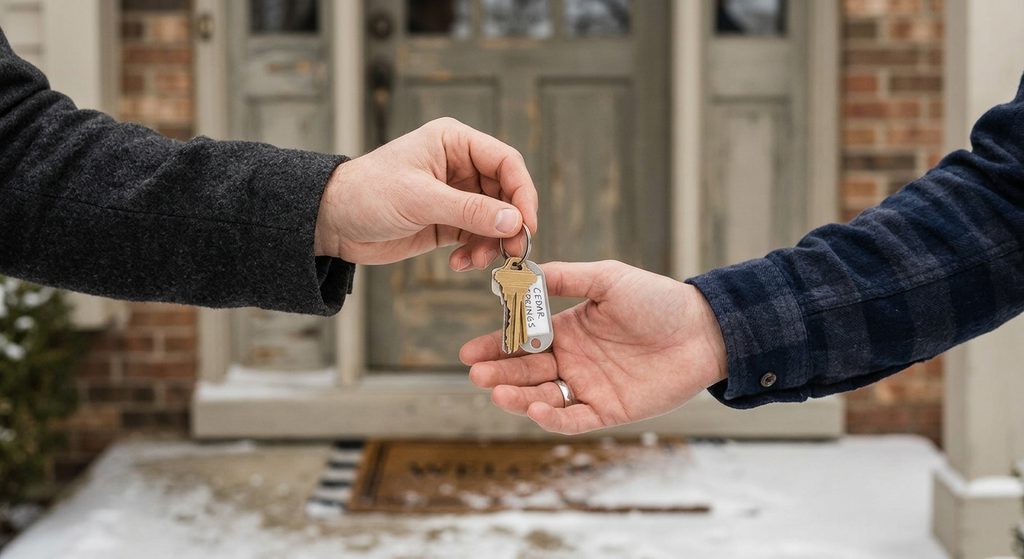
For some landlords, listing traditionally is the best way to sell an investment property. For others, the time and money involved in preparing the home, coordinating showings, and managing repairs may not be worth it.
A direct sale may be worth considering if the property is vacant, needs significant repairs, or is located far from where you live. It can also be an option for landlords who simply don’t want to spend more time managing a property they’re ready to move on from.
Lakeshore Home Buyer works with homeowners who are looking for alternatives to the traditional selling process. Properties can be considered as-is, which may be useful for landlords who don’t want to invest in repairs or prepare the rental for showings before selling. We also believe homeowners should understand their options before making a decision, whether that ultimately means selling directly or choosing a traditional listing.
If you’re considering a direct sale, learning more about how the process works can give you a better idea of what to expect and help you decide whether that approach fits your situation.
A direct sale isn’t automatically the right choice for every landlord. Before deciding, compare the potential proceeds with a traditional sale and consider repairs, commissions, carrying costs, vacancy, your time, and the timeline you want. Looking at the overall outcome, not just the sale price, can help you make a more informed decision.
Selling a Rental Property in Michigan: Choose the Option That Fits
There isn’t one right way to sell a rental property.
Some Michigan landlords may prefer to keep a tenant in place and sell the property as an investment. Others may wait until the property is vacant so they can make repairs and prepare it for the traditional market. For a property that needs significant work or has become difficult to manage, selling as-is or exploring a direct sale may make more sense.
The important thing is to understand your options before deciding. Review the lease, consider the property’s condition and carrying costs, look at the potential tax implications, and compare what each selling strategy would mean for your time and finances.
Whether you’re selling a rental in Grand Rapids, Rockford or Cedar Springs, taking the time to understand the process can help you choose the approach that’s right for you.
This article provides general information and is not a substitute for legal or tax advice. If you have questions about your lease, tenant obligations, or the tax consequences of selling your rental property, consider speaking with a qualified Michigan attorney or tax professional.
Related: 5 Steps To Buying Rental Properties In Grand Rapids MI
Get Your Free Offer TODAY!
Fill In This Form To Get Your No-Obligation All Cash Offer Started!
