
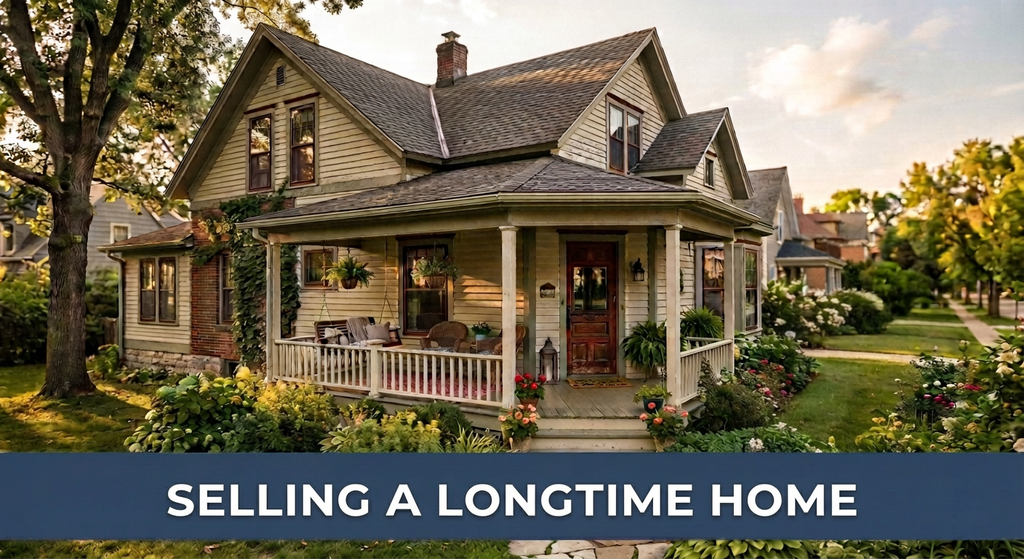
Selling a house you’ve owned for decades is different from selling a property you’ve only lived in for a few years. A longtime home often holds decades of memories, family milestones, and belongings, and deciding to leave can feel like much more than a real estate transaction.
For many homeowners, this transition comes with a major life change. You may be downsizing for retirement, moving closer to family, relocating to a different area, or simply deciding that maintaining a large home is no longer the right fit.
Whatever the reason, selling a longtime home doesn’t have to happen all at once. Taking the time to understand your options can make the process feel much more manageable.
Quick navigation:
- The Emotional Side of Letting Go
- Preparing for the Transition
- What to Do With Years of Belongings
- Deciding Whether to Renovate
- Choosing the Selling Option That Fits Your Goals
The Emotional Side of Letting Go
After living in the same house for 20, 30, or even 40 years, it’s natural for the idea of leaving to bring up mixed emotions. The home may be where children grew up, holidays were celebrated, or important family memories were made.
That can make decisions about selling, moving, and sorting through belongings feel overwhelming. It’s okay to take time with those decisions rather than feeling like everything needs to happen immediately.
For homeowners in the Kalamazoo area or Metro Detroit who have lived in the same home for decades, the emotional side of the move may be just as important as the financial side. Giving yourself time to think through what you want the next chapter to look like can make the transition easier.
Preparing for the Transition
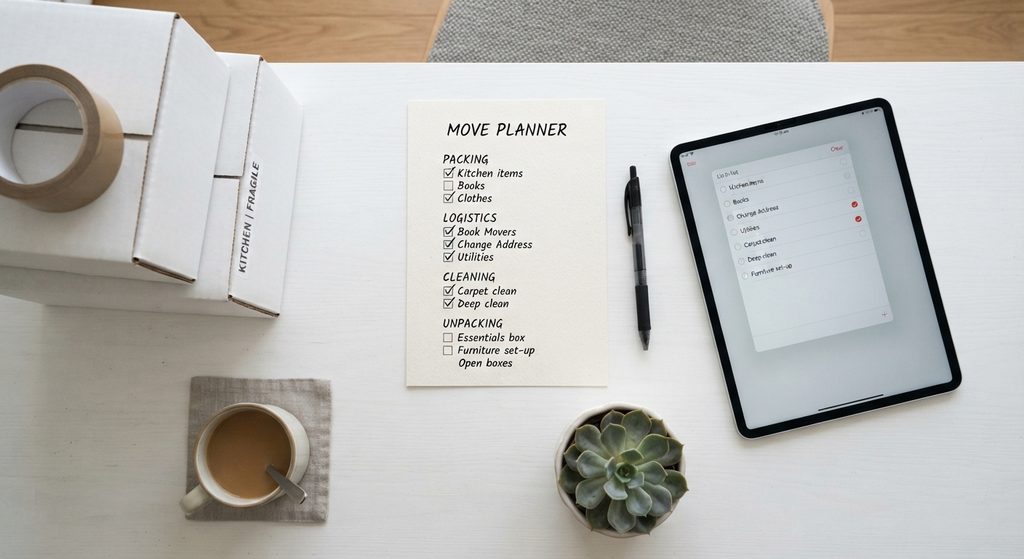
Once you’ve decided that it’s time to sell, breaking the process into smaller steps can make it feel less overwhelming. Start by thinking about where you’ll be going next, what you actually need to take with you, and what will need to happen before the house changes hands.
You may also want to begin addressing basic maintenance or organizing important documents related to the property. If you’re moving into a smaller home or retirement community, this can be a good opportunity to focus on the things you truly use and need.
There’s no requirement to tackle everything in a single weekend. A gradual approach can give you more time to make thoughtful decisions instead of rushing through years of belongings and memories.
What to Do With Years of Belongings
One of the biggest challenges of selling a longtime home can be figuring out what to do with everything inside it. After decades in one house, there may be furniture, clothing, tools, keepsakes, paperwork, and countless everyday items that have accumulated over the years.
Start by separating belongings into a few basic categories: what you’re taking with you, what family members may want, what can be donated or sold, and what you’re ready to leave behind.
If you’re selling through a traditional listing, you’ll generally want to remove excess belongings and prepare the home for photographs and showings. But that isn’t the only way to sell. Some direct buyers purchase homes as-is, meaning homeowners may be able to leave behind items they no longer want instead of clearing out every last thing before closing.
This can be particularly helpful when a longtime homeowner is downsizing or when family members are handling a parent’s home from another city. Instead of making the entire sale dependent on completing a massive cleanout, the property itself can sometimes be handled separately from the belongings.
Deciding Whether to Renovate
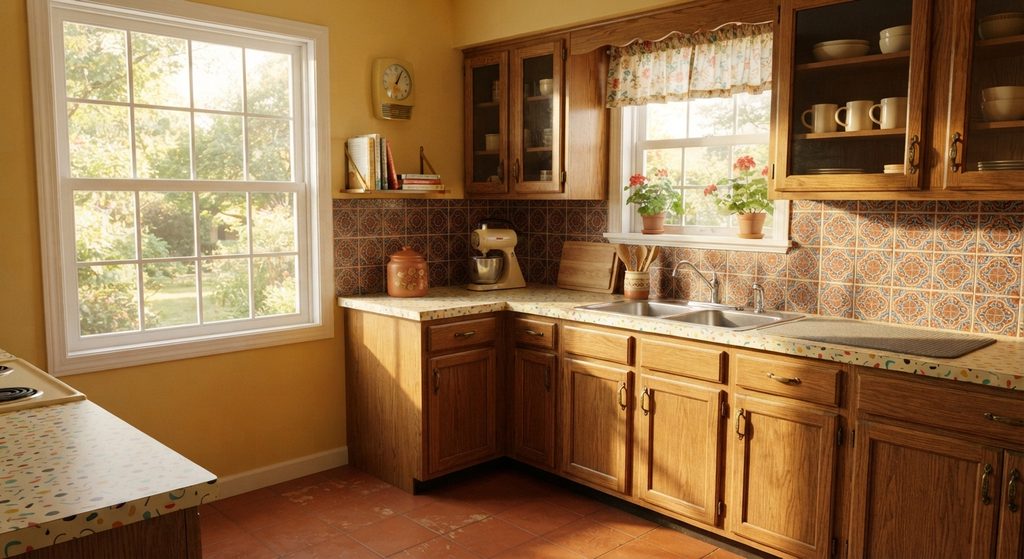
After decades of ownership, it’s common for a home to look very different from the way it did when you first moved in. Kitchens and bathrooms may be dated, flooring may be worn, and major systems may be nearing the end of their useful lives.
That doesn’t necessarily mean you need to renovate everything before selling. Before spending money on updates, consider how much the work will cost, how long it will take, and whether you’re comfortable managing contractors and living through the process.
A traditional listing may make sense if the home is in good condition and you’re willing to invest some time into preparing it. If the property needs significant work, or if you’re simply ready to move on without taking on another major project, selling as-is may be worth considering.
This can be especially relevant for older homes throughout Kalamazoo and Metro Detroit, where a property may have years of deferred maintenance or simply need modernization after decades of ownership.
Choosing the Selling Option That Fits Your Goals
There isn’t one right way to sell a house you’ve owned for decades. Some homeowners are comfortable making repairs, clearing everything out, and listing traditionally. Others value simplicity and would rather sell the property in its current condition.
A direct sale can be an option for homeowners who don’t want to handle extensive repairs, showings, or the process of preparing decades’ worth of belongings for the market. At Lakeshore Home Buyer, we purchase houses as-is and work with homeowners throughout Michigan, including the Kalamazoo area and Metro Detroit.
If you’re considering a direct sale, learning how the process works can help you understand what to expect before deciding whether it’s the right fit for your situation. You can also explore the Lakeshore Home Buyer website to learn more about selling a house directly and the situations we work with.
Selling a home you’ve owned for decades is a significant transition, and there’s no need to rush into a decision simply because the house needs to be sold. Take the time to consider your next move, what you want to take with you, and how much work you’re realistically willing to put into the property. The right selling option is ultimately the one that fits your goals and makes the transition manageable.
Related: How Long Does It Take to Sell a House in West Michigan?
Get Your Free Offer TODAY!
Fill In This Form To Get Your No-Obligation All Cash Offer Started!
