

For many homeowners, listing with a real estate agent is the first option that comes to mind when it’s time to sell a house. In the right situation, a traditional listing can absolutely make sense. Homes in desirable neighborhoods throughout Grand Rapids, Rockford, and surrounding West Michigan communities often attract strong buyer interest, especially when they are updated and move-in ready.
However, many homeowners are surprised to learn that the final amount they walk away with can be very different from the number they see on a listing agreement.
Between repairs, commissions, holding costs, and buyer negotiations, there are often expenses that aren’t obvious at the beginning of the process. Understanding these costs can help you make a more informed decision about whether listing traditionally is the right fit for your situation.
Quick Navigation:
- Repairs, Commissions, and Holding Costs Explained
- The Emotional and Practical Costs of Preparing a Home
- Time on Market and Carrying Expenses
- Price Reductions and Negotiation Pressure
- When Selling “Fast and Simple” May Net More Clarity, Not Just Money
- Understanding Your Options Before Making a Decision
Repairs, Commissions, and Holding Costs Explained
One of the most common surprises for sellers is how much money may need to be invested before a home even hits the market.
Many agents recommend completing repairs, updating outdated features, improving curb appeal, or addressing maintenance issues that could discourage buyers. Depending on the condition of the property, these costs can range from a few hundred dollars to several thousand.
Even after the home is listed, sellers typically pay real estate commissions and other closing-related expenses once the property sells. While every transaction is different, these costs can reduce the amount a seller ultimately receives.
There are also ongoing holding costs to consider. Mortgage payments, property taxes, insurance, utilities, lawn care, and maintenance expenses continue while the home is on the market. For homeowners who have already relocated or inherited a property they don’t plan to keep, these expenses can add up quickly.
The Emotional and Practical Costs of Preparing a Home

While financial costs get most of the attention, many homeowners underestimate the time and effort involved in preparing a home for sale.
Cleaning, decluttering, staging, coordinating repairs, and keeping a property show-ready can be challenging, especially for families with children, busy work schedules, or homeowners already dealing with a major life transition.
For someone handling an inherited house in Cedar Springs or helping a parent move out of a longtime home in Rockford, the process can feel overwhelming. Even when the market is favorable, preparing a property for traditional buyers often requires significant time and energy.
These practical considerations don’t necessarily make listing a bad option, but they are important factors that deserve consideration alongside the financial side of the transaction.
Time on Market and Carrying Expenses
Many homeowners focus on sale price without considering how long the selling process may take.
Even in active West Michigan markets, homes don’t always sell immediately. The timeline can vary depending on condition, location, pricing, seasonality, and overall market conditions.
While waiting for a buyer, sellers continue paying carrying expenses. Mortgage payments, taxes, insurance, utility bills, and maintenance costs don’t stop simply because a house is listed.
If a home remains on the market longer than expected, those ongoing expenses can gradually reduce the financial advantage of pursuing a higher listing price.
This is particularly important for owners of vacant properties, inherited homes, or houses that require substantial upkeep while waiting for the right buyer.
Price Reductions and Negotiation Pressure

Many sellers begin with an optimistic asking price, hoping to maximize their return.
However, if a property doesn’t attract sufficient interest, price reductions often become part of the conversation. Multiple price cuts can sometimes create additional challenges by causing buyers to wonder why the property hasn’t sold.
Even after receiving an offer, negotiations frequently continue.
Buyers may request repairs, seller concessions, closing cost assistance, inspection credits, or other adjustments before agreeing to move forward. In some cases, a seller who accepts a strong offer may still end up giving back thousands of dollars during the inspection and negotiation process.
These situations are normal parts of many real estate transactions, but they can be frustrating for homeowners who expected a more straightforward experience.
When Selling “Fast and Simple” May Net More Clarity, Not Just Money
Many homeowners compare selling options based entirely on the highest potential sale price. While price is certainly important, it is not always the only factor that matters.
For some sellers, certainty, convenience, and timing carry significant value as well.
A homeowner facing major repairs, relocating for work, managing an inherited property, or dealing with financial pressure may prefer a straightforward sale that eliminates months of uncertainty. In those situations, avoiding repairs, showings, inspection negotiations, and financing contingencies may provide peace of mind that is difficult to measure strictly in dollars.
That doesn’t mean a direct sale is always the best choice. Some homes are excellent candidates for a traditional listing and may achieve a higher net result through the open market.
The key is understanding all available options and evaluating them based on your specific goals rather than assuming one approach is automatically better than another.
Understanding Your Options Before Making a Decision
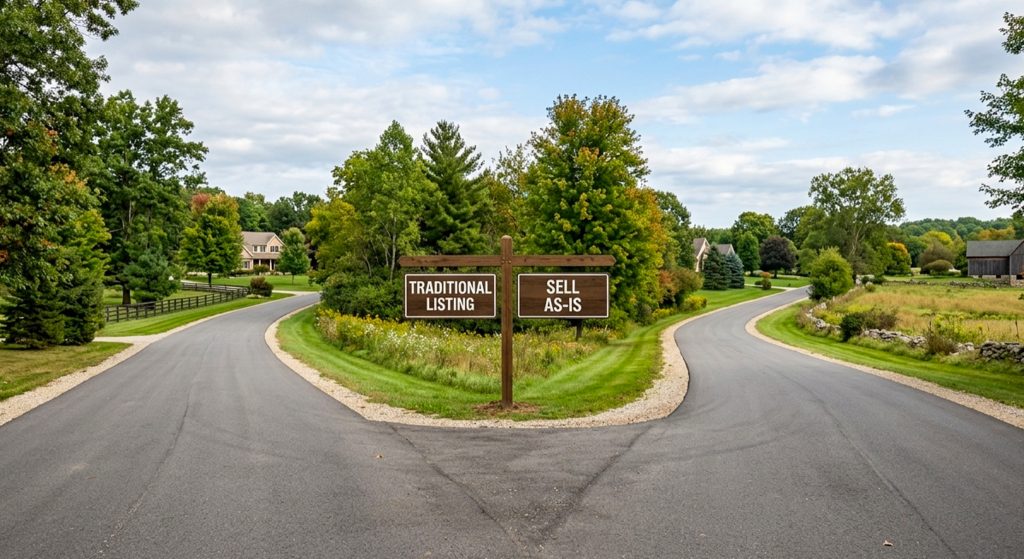
Every homeowner’s situation is unique.
What makes sense for a move-in-ready home in Grand Rapids may be very different from what works best for an aging property in Rockford or an inherited home that needs significant repairs.
Before deciding how to sell, it can be helpful to compare the likely costs, timeline, and level of effort associated with each option. For homeowners exploring alternatives to a traditional listing, learning more about the process and what to expect can provide valuable context before making a decision.
At Lakeshore Home Buyer, those conversations are always honest and pressure-free. Sometimes a direct sale makes sense, and sometimes listing with an agent may be the better path. The goal is simply to help homeowners understand their options so they can move forward with confidence.
Whether you’re located in West Michigan or the Metro Detroit area, having clear information upfront can make the entire selling process easier to navigate.
Get Your Free Offer TODAY!
Fill In This Form To Get Your No-Obligation All Cash Offer Started!
Related: The Hidden Costs of Listing a Fixer-Upper in West Michigan
